
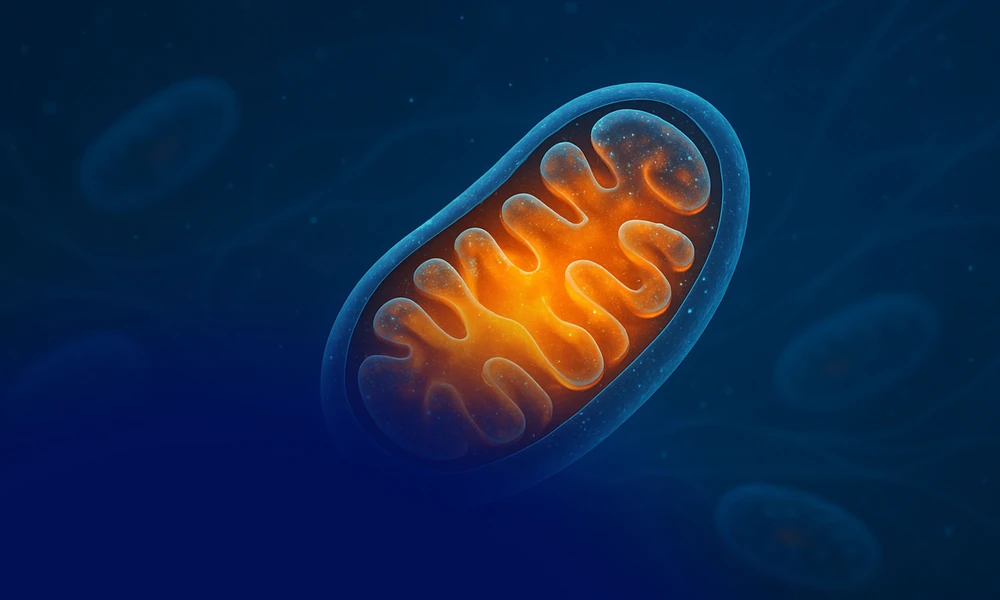

Every second, billions of cells in your body perform tasks that keep you alive. They repair tissues, process nutrients, send signals, and produce energy. None of this happens without mitochondria, the tiny structures inside cells that generate most of the energy your body uses each day.
When mitochondria work efficiently, cells can carry out their functions normally. When they struggle, the effects may reach far beyond energy production. Researchers continue to study how mitochondrial dysfunction influences aging, recovery, metabolism, and overall health.
Interest in cellular energy has grown in recent years. As a result, many scientists now explore approaches that support mitochondrial function, including findings from a study about Red Light Therapy and its potential interaction with cellular processes.
Key Takeaways
. Mitochondria generate the energy cells need to function.
. Mitochondrial dysfunction can affect multiple systems throughout the body.
. Fatigue, slower recovery, and reduced cellular performance may be linked to impaired mitochondrial function.
. Lifestyle habits play an important role in supporting cellular health.
. Researchers continue to investigate therapies that may influence mitochondrial activity.
Why Mitochondria Matter
You can think of mitochondria as energy producers within cells. They convert nutrients from food into a form of energy called ATP, which powers countless biological functions.
Organs with high energy demands, such as the brain, heart, muscles, and liver, rely heavily on healthy mitochondrial activity. Even small disruptions in energy production can influence how these tissues perform.
Mitochondria also contribute to cell signaling, stress responses, and the regulation of cellular repair processes. Their role extends far beyond simple energy generation.
What Is Mitochondrial Dysfunction?
Mitochondrial dysfunction occurs when mitochondria cannot produce energy as efficiently as they should. This may result from aging, genetic factors, chronic inflammation, environmental stressors, poor lifestyle habits, or certain medical conditions.
When energy production declines, cells may struggle to meet their daily demands. Over time, this can place additional stress on tissues and organs that depend on a steady energy supply.
Researchers continue to examine how mitochondrial dysfunction contributes to a wide range of health concerns, including metabolic disorders, neurodegenerative conditions, and age-related changes.
Common Signs Linked to Reduced Cellular Energy
The symptoms associated with mitochondrial dysfunction can vary widely because mitochondria exist in nearly every cell.
Some commonly reported signs include:
Persistent Fatigue
Low cellular energy production may leave individuals feeling tired even after adequate rest.
Slower Physical Recovery
Muscles require significant energy for repair and recovery. Reduced mitochondrial performance may affect this process.
Brain Fog and Mental Fatigue
The brain consumes large amounts of energy. Changes in cellular energy production may influence concentration and cognitive performance.
Reduced Physical Endurance
People may notice decreased stamina during exercise or everyday activities when cellular energy production becomes less efficient.
Factors That Can Influence Mitochondrial Health
Several daily habits affect how well mitochondria function.
Physical Activity
Regular exercise encourages the body to develop stronger and more efficient mitochondria. Research consistently links movement with improved cellular function.
Nutrition
Cells rely on nutrients to produce energy. A balanced diet rich in whole foods provides the vitamins, minerals, and antioxidants needed to support normal cellular processes.
Sleep Quality
The body performs many repair and recovery functions during sleep. Poor sleep patterns can place additional stress on cellular systems.
Oxidative Stress Management
Excessive oxidative stress may damage cellular structures, including mitochondria. Healthy lifestyle habits can help the body maintain balance.
The Connection between Aging and Mitochondria
Scientists frequently study mitochondria in the context of aging. As people grow older, mitochondrial efficiency tends to decline naturally. This decline does not occur at the same rate for everyone. Genetics, environmental exposures, physical activity, and dietary habits all influence how well mitochondria continue to function over time.
Researchers believe that supporting cellular health may contribute to healthier aging and improved quality of life.
Celluma Light Therapy and Current Research
Celluma Light Therapy is often discussed in conversations about cellular health because light-based therapies have attracted scientific interest for their interaction with mitochondria. Some findings referenced in a Study about Red Light Therapy suggest that specific wavelengths of light may influence cellular energy pathways and mitochondrial activity. Researchers continue to investigate these mechanisms, and ongoing studies will help clarify their potential role in broader health and wellness applications.
Supporting Cellular Health Every Day
While no single habit guarantees optimal mitochondrial function, consistent healthy choices can make a difference.
Regular exercise, quality sleep, balanced nutrition, stress management, and avoiding harmful lifestyle factors all contribute to a healthier cellular environment. These habits support the body’s natural ability to produce energy, recover from daily demands, and maintain normal cellular function.
Final Thoughts
Mitochondria play a central role in cellular health. They produce energy, support repair processes, and help cells respond to changing demands. When mitochondrial function declines, the effects may influence multiple areas of health, from energy levels to physical performance.
Researchers continue to learn more about mitochondrial dysfunction and the factors that affect it. Understanding these cellular processes can help people make informed decisions that support long-term health and well-being.