
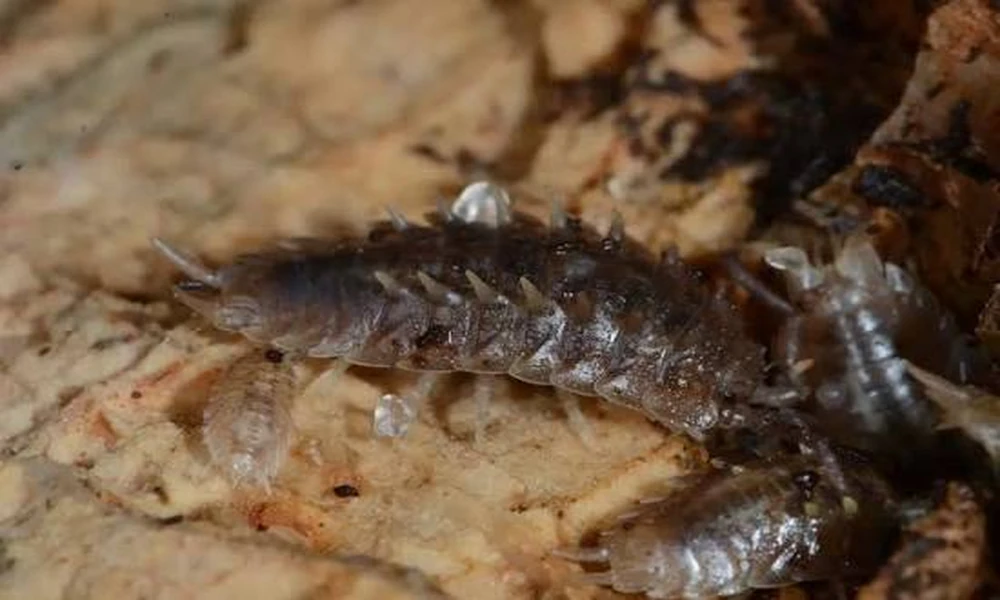

Ask ten different keepers which isopod species is best for beginners and you’ll probably get ten different answers. Ask why, and most struggle to explain past “it’s easy.” Anyone scrolling beginner isopods for sale for the first time runs into this problem immediately, since the label gets thrown around so often it’s stopped meaning much.
That’s not really an answer, though. Easy compared to what? Easy in what specific way? Those questions matter when the label is often the only thing guiding a first purchase.
It’s not about how they look
Plenty of newcomers start by browsing whatever looks most striking. Bright colours, unusual patterns, something that stands out in a photo. Nothing wrong with wanting that, but appearance has nothing to do with whether a species will actually thrive under a first attempt at husbandry.
What matters instead is how much room a species leaves for mistakes. Every new keeper gets something wrong early on. Substrate too dry one week, too wet the next. Feeding inconsistently while still learning what a colony actually needs. A species that can absorb that kind of trial and error is doing the real work of being beginner friendly. One that can’t will simply die off before the lesson’s even learned.
What forgiving actually looks like
A handful of traits tend to separate species that tolerate a rocky start from ones that don’t.
- Wide humidity tolerance, so a slightly-off substrate doesn’t spell disaster
- A broad diet that accepts whatever’s on hand rather than requiring specific, hard-to-source food
- Fast, reliable breeding, so early losses get absorbed by the colony rather than wiping it out
- Calm temperament under handling and observation, since new keepers tend to check on their tank often
Species built this way give a beginner room to figure things out gradually. Miss the mark on humidity for a week and the colony dips a little rather than collapsing outright.
Where the label gets stretched
Not every listing filed under beginner isopods for sale actually reflects the traits above. Some sellers apply the term loosely, more as a marketing category than a genuine assessment of how forgiving a species is.
A quick gut check helps here. If a species needs a narrow humidity band, specific rare food, or breeds slowly enough that early mistakes are hard to recover from, it’s probably not beginner territory regardless of what it’s filed under.
The real cost of skipping this step
Starting with a demanding species isn’t necessarily a disaster, but it does raise the stakes on every decision that follows. Substrate has to be right the first time. Feeding schedules matter more. There’s less room to learn by doing, which is usually how most keepers actually learn.
That’s the case for starting simple even if a rarer or more striking species is tempting. Get comfortable with the basics on something forgiving, and the harder species become a lot more approachable once there’s real experience behind the decision.