
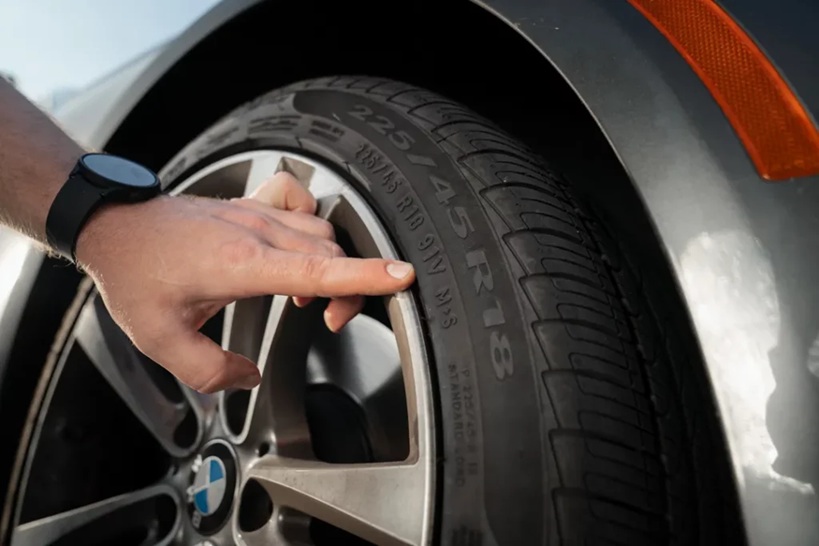

Tires serve as the crucial interface between a vehicle and the road. They dictate handling, braking efficiency, ride comfort, and overall safety. Yet, many drivers overlook two fundamental factors when selecting tires—load capacity and speed capability. These specifications determine whether your tires can withstand the weight of your vehicle and handle the speeds at which you drive without compromising performance or safety.
Failing to choose tires suited to your driving conditions can lead to excessive wear, reduced fuel efficiency, and even hazardous blowouts. Whether you own a family sedan, a high-performance sports car, or a workhorse truck, understanding the interplay between load index and speed rating is vital to making an informed decision.
How Much Weight Can Your Tires Handle?
Load capacity, commonly referred to as the load index, represents the maximum weight a tire can safely carry when properly inflated. This number is essential for vehicles that frequently carry passengers, transport heavy cargo, or tow trailers.
Each tire comes with a numerical load index printed on its sidewall, typically ranging from 70 to 126, with higher numbers indicating greater weight capacity. For example, a tire with a load index of 91 can support 1,356 pounds, while one with an index of 110 can carry 2,337 pounds.
Key considerations for load capacity include:
- Vehicle Weight: Larger vehicles, such as SUVs and trucks, require tires with a higher load index to support their heavier frames.
- Cargo and Towing: If you frequently haul equipment or tow trailers, choosing tires with an adequate load rating prevents stress on the sidewalls and enhances stability.
- Even Weight Distribution: Improper load distribution can lead to uneven tire wear, reduced traction, and handling issues.
Overloading tires beyond their designated load index can result in excessive heat buildup, premature wear, and potential failure—risks no driver should ignore.
How Fast Can Your Tires Go?
While load capacity deals with weight, the speed rating determines the maximum speed at which a tire can safely operate under optimal conditions. This specification is represented by a letter code, such as T, H, V, W, or Z, with each corresponding to a specific top speed.
For instance:
- T-rated tires are designed for speeds up to 118 mph and are common in passenger vehicles.
- H-rated tires can handle speeds up to 130 mph, balancing performance and durability.
- V, W, and Y-rated tires are found on performance vehicles, with Y-rated tires supporting speeds up to 186 mph.
- Z-rated tires indicate the highest performance category, designed for ultra-high-speed applications.
The misconception that higher speed ratings are always better leads many drivers to overspend on tires with capabilities they will never use. In reality, choosing a speed rating suited to your actual driving habits and road conditions ensures both safety and cost-effectiveness.
The Trade-Off Between Load and Speed Ratings

While it may seem ideal to purchase tires with both high load capacity and high speed capability, the reality is that these two factors often work inversely.
- Higher Load Ratings: Tires designed to carry heavier weights tend to have stiffer sidewalls and thicker rubber compounds. This can slightly reduce their speed capability due to increased rolling resistance and heat retention.
- Higher Speed Ratings: Tires built for high-speed performance are engineered with softer rubber compounds for better grip, but they often have lower load ratings since they prioritize handling over durability.
Finding the right balance depends on your vehicle’s purpose. For example:
- A sports car driver may prioritize high-speed-rated tires with excellent grip, even if they have a lower load index.
- A truck owner carrying heavy cargo should focus on load-rated tires, as excessive weight can compromise both safety and performance.
- An everyday commuter may benefit from a mid-range balance, such as an H-rated tire with a moderate load index, providing both stability and longevity.
Matching Tires to Your Driving Style and Road Conditions
Selecting the right tires involves more than just looking at numbers—it requires an understanding of how driving habits and road conditions impact tire performance.
- Highway Commuters. For those who spend long hours on highways, fuel efficiency and tread longevity are priorities. Opting for moderate speed-rated tires (H or V) with a balanced load index ensures comfort and durability.
- Performance Enthusiasts. Sports car drivers should seek higher speed-rated tires (W or Y) with softer compounds for superior grip and cornering stability. However, be mindful that these tires wear out faster than standard all-season options.
- Off-Road and All-Terrain Drivers. Off-road enthusiasts and adventure seekers require tires with higher load ratings and reinforced sidewalls to withstand rough terrain. While speed isn’t a primary concern, durability and puncture resistance take precedence.
- Heavy-Duty Haulers. Truck owners carrying substantial loads or towing trailers must prioritize load capacity over speed ratings. Choosing LT (Light Truck) tires with reinforced sidewalls prevents sagging, improves traction, and enhances overall vehicle control.
- Winter and Wet Conditions. In cold or wet climates, tires with lower speed ratings and higher traction ratings perform better. High-speed-rated tires tend to have softer compounds that harden in freezing temperatures, reducing grip. Choosing snow-rated tires with a proper load index is crucial for safety.
The Dangers of Mismatched Tires
Installing tires with incorrect load or speed ratings can have serious consequences, including:
- Increased Blowout Risk: Overloaded tires generate excessive heat, leading to potential sidewall failure.
- Compromised Handling: Under-rated speed tires may deform under high-speed conditions, causing stability issues.
- Poor Fuel Efficiency: Using unnecessarily high-performance tires can lead to increased rolling resistance and reduced mileage.
- Legal and Warranty Issues: Some manufacturers void warranties if tires with improper load or speed ratings are used.
Choosing the right tires isn’t about opting for the highest numbers—it’s about understanding your vehicle’s requirements and how you drive. By carefully considering load capacity, speed rating, and road conditions, you can maximize safety, longevity, and performance.
Before making a purchase, consult your vehicle’s owner manual for the recommended tire specifications. Investing in the right tires today ensures a smoother, safer, and more efficient ride for the long haul.

