
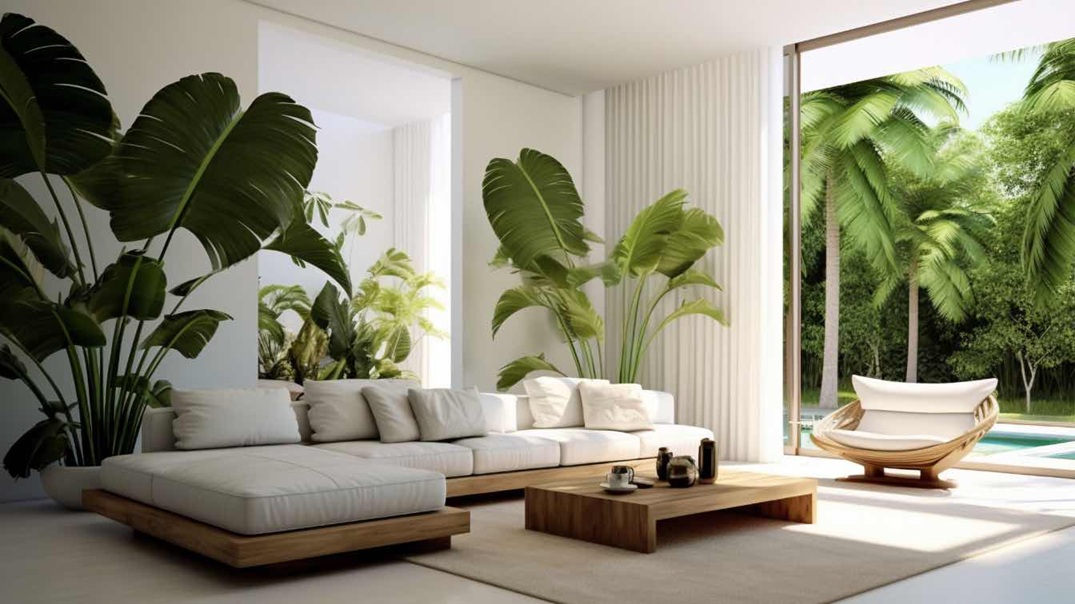

City homes are getting greener—literally. As urban spaces shrink and the demand for nature grows, vertical gardens, or living walls, are quietly transforming how we think about indoor and outdoor environments. These lush installations are not just aesthetic upgrades—they represent a shift toward health-conscious, sustainable, and space-savvy living.
Why Urban Homes Need a Green Shift
City living often means limited access to natural environments. With high-rises replacing gardens and small apartments replacing yards, city dwellers are searching for ways to reconnect with greenery. Rising pollution levels and the mental toll of urban stress have made natural elements inside the home more essential than optional.
Understanding Living Walls
Living walls are vertical gardens mounted on either interior or exterior walls. These systems can range from simple planters attached to a panel to fully integrated hydroponic systems that cycle water and nutrients through soil-less roots. Some are preserved, like moss walls, while others require full sunlight and irrigation systems to thrive.
There are various types:
- Interior living walls add green elements to homes, especially in common areas or near windows.
- Exterior systems are often used on balconies or building facades.
- Edible walls allow you to grow herbs or greens in a compact space.
Practical Benefits for City Living
Living walls do more than improve decor. They act as natural air filters by absorbing carbon dioxide and releasing oxygen. Certain plants also remove toxins like formaldehyde and benzene, improving air quality in tight urban interiors.
Another hidden advantage is sound absorption. Plants and their growing medium can reduce ambient noise, a relief for residents living near traffic or construction zones. These walls also help insulate interiors by creating a buffer that reduces heat gain, potentially lowering energy bills.
Most importantly, they support mental wellness. Studies show that even short visual exposure to greenery can reduce cortisol levels, improve mood, and enhance focus—benefits crucial for those working from home or managing stress in busy cities.
Design Meets Function

Living walls are now being used as statement pieces in minimalist and modern interiors. From floor-to-ceiling panels in entryways to green strips above kitchen counters, they bring a natural softness to otherwise rigid urban layouts. Customization is also a major plus—you can design a tropical feel, an edible garden, or a subtle moss layout based on your aesthetic preferences.
Smart integrations are growing too. Some modern designs feature embedded grow lights or pair with home automation systems that monitor moisture and nutrient levels.
What to Know Before Installing One
Before adding a living wall to your space, it’s important to assess structural and environmental factors:
- Is the wall strong enough to support the system?
- Can it be waterproofed to prevent damage?
- Will the plants get enough sunlight or require artificial lighting?
- Is there a drainage system or water recirculation plan?
DIY kits are available, but professional installations ensure better longevity, especially if you’re planning for an indoor feature wall. Ongoing maintenance includes pruning, cleaning, and checking irrigation systems. Thankfully, many modern setups include automated watering features.
Best Plants for Urban Living Walls
The best plants are those that adapt well to vertical environments and require minimal care. Popular options include:
- Pothos and philodendrons for cascading greenery
- Snake plants and ZZ plants for low-light conditions
- Spider plants and ferns for air purification
- Herbs like basil and mint for edible installations
Each plant should be selected based on your space’s light levels, temperature, and humidity.
A Sustainable Step Forward
Living walls contribute to eco-conscious living. Many systems recycle water, reducing waste. Materials like upcycled wood or metal are often used in constructing frames. Some cities even offer green building incentives for installations that support environmental goals.
Living Walls in Action
From Toronto condos to Singapore’s green skyscrapers, living walls are no longer rare. Urban developers are integrating them into facades, hallways, and lobbies to combine sustainability with modern design. Even compact studio apartments are adopting small-scale living walls in kitchens or bedrooms to add life without losing space.
Challenges to Consider
Despite the benefits, there are some limitations. Living walls can be expensive upfront, especially for high-end or custom systems. They require strong structural support, and plants must be chosen carefully to ensure survival in specific conditions. Without regular care, plants can dry out or develop pests, diminishing the wall’s benefits.
Conclusion
Living walls are more than a design trend—they are a thoughtful response to the environmental, spatial, and emotional needs of modern urban life. As cities grow taller and tighter, greenspace grows up—bringing a breath of fresh air to the walls we live within.

